EU says OpenAI offers to open access to cybersecurity model, Anthropic not there yet
The EU is pleased with OpenAI's offer to share its cybersecurity AI model, while Anthropic has not made a similar commitment.
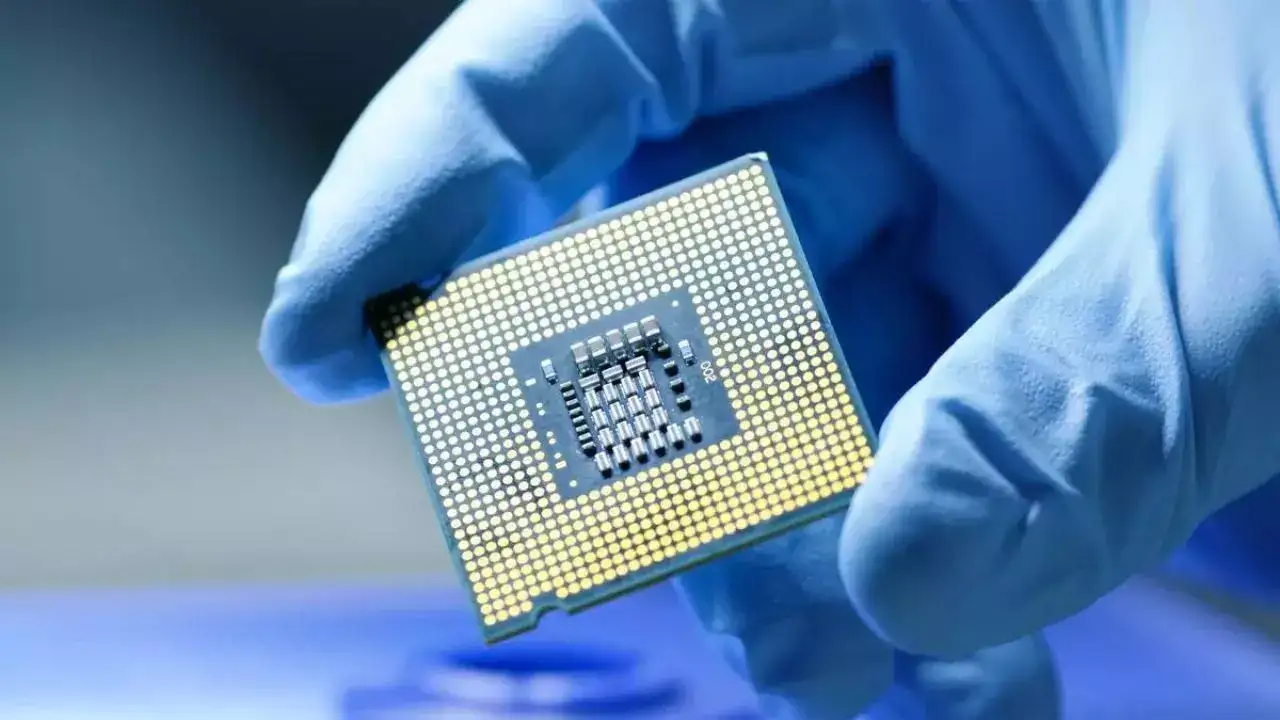
Read on Economic Times Tech →Chinese universities with military links have acquired servers containing restricted AI chips from manufacturers like Super Micro, raising concerns among U.S. lawmakers regarding technology transfer and national security.
Why it matters
This article highlights the ongoing geopolitical struggle over access to advanced AI hardware, specifically restricted AI chips. It underscores the U.S.'s efforts to control the flow of critical AI technology to entities perceived as national security risks, particularly those with military ties in China. This impacts the global AI supply chain, international research collaborations, and the pace of AI development in different regions, potentially accelerating a technological decoupling and influencing future policy decisions on technology export controls.
Chinese universities, especially those connected to the military, are still buying powerful computer chips designed for AI that the U.S. has tried to restrict. This practice, revealed by recent reports, is making U.S. politicians worried about China's military gaining advanced AI capabilities, leading to increased tensions over technology control.
The EU is pleased with OpenAI's offer to share its cybersecurity AI model, while Anthropic has not made a similar commitment.
Read on Economic Times Tech →OpenAI is being sued by a family claiming ChatGPT assisted a shooter in planning a mass shooting, with the lawsuit alleging the chatbot failed to flag dangerous conversations.
Read on Economic Times Tech →India's IT sector is experiencing a significant boom in AI job openings, with a projected growth of 15-20%, supported by investments in data centers and digital infrastructure.
Read on Economic Times Tech →